
Bag
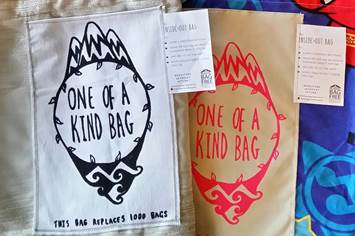

We are fortunate that from 1 July 2019 legislation came into effect in New Zealand banning single-use plastic shopping bags. It has made a huge impact to reduce pollution in our natural environment and waterways. Plastic bags are still in use for packaging though; please choose alternatives wherever possible.

Always take a reusable bag with you! Choose unbagged/unpackaged items where possible. Say "no thanks" if offered a plastic bag for purchases.
Have sets of reusable bags in your car for regular and unscheduled shopping trips.

Plastic bags will last indefinitely - rinse, dry and reuse to keep out of landfill as long as possible. Do not use as rubbish bin liners.
Buy good quality cloth/fibre bags for your shopping and mesh bags for your vegetables/fresh produce.
There is a bag box in Whanganui where you can pick up or leave reusable bags: outside Countdown supermarket in Trafalgar Square (thanks to the Whanganui Bag Recycling Group).
Some charity shops are also making and giving away cloth bags made from repurposed clothing.

Soft plastics recycling is now available at Countdown and The Warehouse in Whanganui.
If you have surplus reusable bags, consider dropping them in to the Countdown bag box at Trafalgar Square or give to a charity/secondhand shop.

Please keep from landfill: reuse plastic bags as many times as possible. Plastic bags are particularly harmful to the environment, waterways and oceans.